
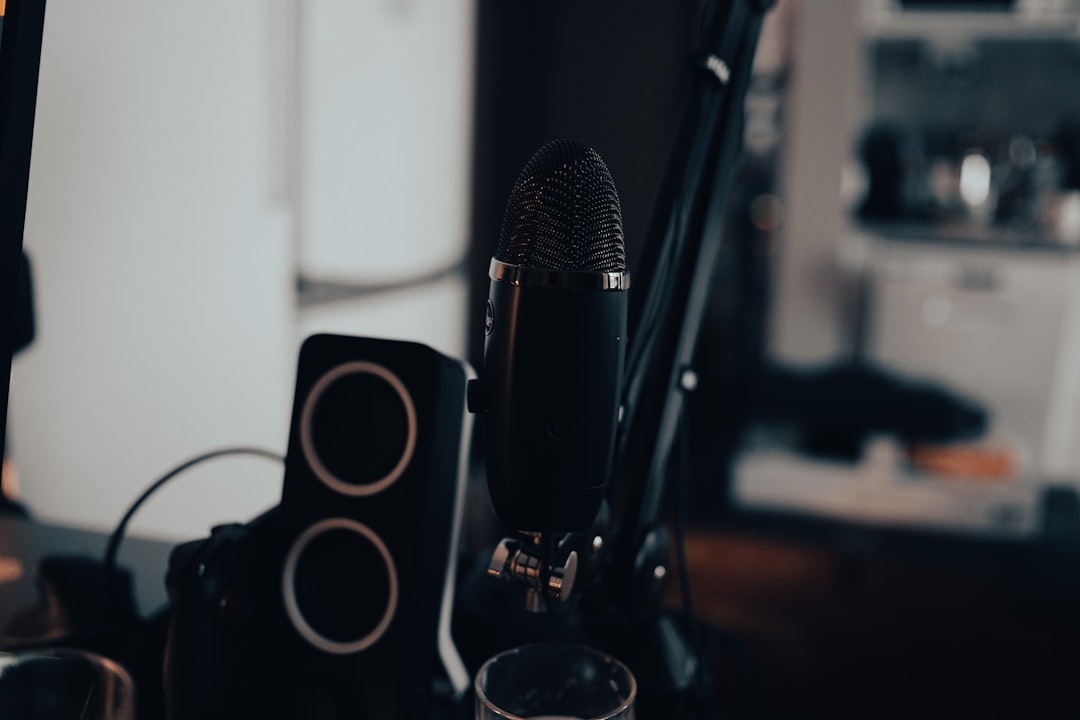
Selecting the right microphone is one of the most crucial decisions you'll make when starting a podcast. The microphone serves as the gateway between your voice and your audience, and choosing poorly can result in audio quality that drives listeners away before they hear your content.
This comprehensive guide will walk you through everything you need to know about podcast microphones, from understanding different microphone types to selecting the perfect option for your recording environment and budget.
Understanding Microphone Types
The two primary microphone types you'll encounter are dynamic and condenser microphones. Each has distinct characteristics that make it suitable for different podcasting scenarios.
Dynamic Microphones
Dynamic microphones are robust, durable and less sensitive to background noise. They work by using electromagnetic induction, making them excellent for untreated rooms and environments where you cannot fully control ambient sound.
Popular dynamic podcast microphones include the Shure SM7B, often seen in professional radio stations, and the more affordable Shure SM58. These microphones excel when you're recording in a home office or shared space where complete acoustic isolation isn't possible.
The main advantage of dynamic microphones is their focused pickup pattern, which captures your voice whilst rejecting much of the room noise and reflections. This makes them forgiving for beginners who haven't invested in acoustic treatment.
Condenser Microphones
Condenser microphones offer superior sensitivity and broader frequency response, capturing more detail and nuance in your voice. They require phantom power (typically 48V) supplied by an audio interface or mixer.
These microphones are ideal for controlled studio environments with acoustic treatment. The Audio-Technica AT2020 and Rode NT1-A are popular entry-level options, whilst professional podcasters often choose the Neumann U87 or similar high-end condensers.
The downside is that condenser microphones will capture everything in your recording space, including computer fan noise, traffic outside and room reflections. Without proper acoustic treatment, this can result in a less professional sound than a good dynamic microphone in the same environment.
Polar Patterns Explained
The polar pattern describes the directionality of a microphone, indicating which directions it picks up sound from. Understanding this concept is essential for choosing the right microphone for your setup.
Cardioid Pattern
The most common polar pattern for podcasting is cardioid, which picks up sound primarily from the front whilst rejecting sound from the sides and rear. This pattern is ideal for solo podcasters who want to minimise room noise and focus on a single voice.
Omnidirectional Pattern
Omnidirectional microphones capture sound equally from all directions. Whilst less common for podcasting, they can be useful for capturing the natural ambience of a space or recording multiple people sitting around a table.
Figure-8 Pattern
Figure-8 or bidirectional patterns pick up sound from the front and rear whilst rejecting sound from the sides. This configuration works well for face-to-face interview scenarios with two people sitting opposite each other.
USB vs XLR Microphones
Another critical decision involves choosing between USB and XLR connectivity. Each offers distinct advantages depending on your technical comfort level and future expansion plans.
USB Microphones
USB microphones plug directly into your computer, making them incredibly convenient for beginners. They contain built-in preamps and analog-to-digital converters, eliminating the need for additional equipment.
Popular options like the Blue Yeti and Audio-Technica ATR2100x offer excellent sound quality and simple setup. However, you're limited in terms of upgrading components and you'll face challenges if you want to add multiple microphones for co-hosts or guests.
XLR Microphones
XLR microphones require an audio interface or mixer but offer greater flexibility and upgrade potential. You can swap out components, use higher-quality preamps and easily expand to multi-microphone setups.
This professional standard provides better sound quality potential and more control over your audio chain. The initial investment is higher, but the system grows with your podcasting ambitions.
Recording Environment Considerations
Your recording space significantly influences which microphone will serve you best. A microphone that sounds spectacular in a treated studio might produce disappointing results in a reverberant bedroom.
If you're recording in an untreated space with hard surfaces, dynamic microphones generally perform better. Their reduced sensitivity means they won't pick up as much room reflection and ambient noise.
For those who have invested in acoustic panels, bass traps and proper room treatment, condenser microphones will reward you with detailed, professional-sounding recordings that capture the full richness of your voice.
Budget Recommendations
Quality podcast microphones are available at every price point. Here's what to expect at different budget levels:
Under £100: Options like the Audio-Technica ATR2100x or Samson Q2U offer remarkable value, providing both USB and XLR connectivity. These are perfect for testing whether podcasting is right for you without major financial commitment.
£100-£300: This range includes the Shure SM58, Rode PodMic and Audio-Technica AT2020, all of which deliver professional results. Most successful podcasters operate comfortably within this price bracket.
Above £300: Premium options like the Shure SM7B, Electrovoice RE20 and Neumann condensers offer broadcast-quality sound. These investments make sense once you've established your podcast and understand exactly what you need from your equipment.
Making Your Final Decision
Start by honestly assessing your recording environment. If you cannot treat your room acoustically, prioritise dynamic microphones with cardioid patterns. If you have a quiet, treated space, condenser microphones will capture more detail.
Consider your technical comfort level. USB microphones offer simplicity, whilst XLR setups provide growth potential and better sound quality at the cost of complexity.
Finally, remember that microphone technique matters as much as equipment quality. Learning proper microphone distance, positioning and vocal delivery will improve your sound more than expensive gear alone.
The right microphone for your podcast balances your budget, technical ability, recording environment and future ambitions. Take time to research, read reviews and if possible, rent equipment before purchasing to ensure you're making the best choice for your specific situation.