
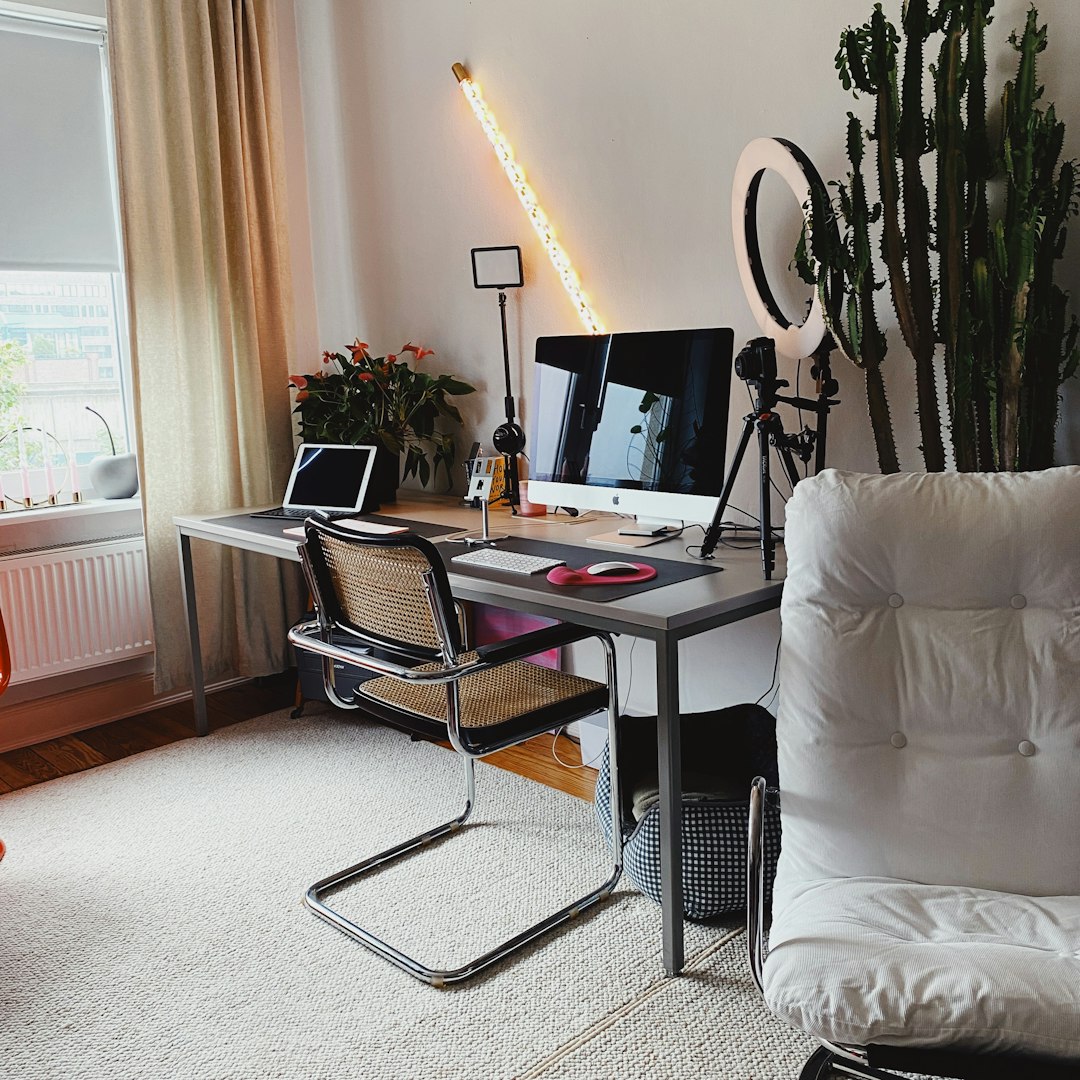
Building a home recording studio has never been more accessible. Advances in technology have made professional-quality recording equipment affordable, whilst knowledge sharing through online communities provides guidance that once required expensive formal education.
However, throwing money at equipment rarely produces professional results. Understanding room acoustics, signal flow and proper monitoring creates the foundation for recordings that compete with professional studios. This comprehensive guide walks you through creating an effective home recording environment.
Choosing and Optimising Your Space
Room selection significantly impacts your recording quality. Whilst you might not have the luxury of purpose-building a studio, understanding acoustic principles helps you make the best of available space.
Room Size and Shape
Avoid perfectly square or cubic rooms, which create problematic standing waves and resonances. Rectangular rooms with non-parallel walls offer better acoustics, whilst larger spaces generally sound more natural than small, cramped environments.
Ceiling height affects room sound significantly. Low ceilings create boxy, claustrophobic acoustics, whilst higher ceilings allow sound to breathe and develop naturally. If possible, choose rooms with ceilings above 2.4 metres.
Background Noise Considerations
Assess ambient noise levels throughout the day. Traffic noise, neighbouring properties, plumbing sounds and HVAC systems all contaminate recordings. Ground-floor rooms away from roads typically offer quieter environments than upper floors near busy streets.
Test potential spaces by recording silence with a sensitive microphone, then listening through headphones. You'll be surprised what your ears miss but microphones capture, from distant traffic to refrigerator hum.
Acoustic Treatment Fundamentals
Acoustic treatment represents your most important investment, often providing more noticeable improvement than expensive equipment upgrades. Unfortunately, this crucial element is frequently overlooked or misunderstood.
Absorption vs Soundproofing
Acoustic treatment and soundproofing serve different purposes. Soundproofing prevents sound from entering or leaving a space, requiring substantial construction work and significant investment. Acoustic treatment controls sound behaviour within a room, improving recording quality without blocking external noise.
Most home studios benefit from acoustic treatment rather than soundproofing. Focus on controlling reflections, reducing standing waves and achieving balanced frequency response before worrying about external noise.
Essential Acoustic Treatments
Bass traps control low-frequency buildup in room corners, where bass frequencies naturally accumulate. Place thick, porous absorption material in corners from floor to ceiling, prioritising vertical corners where walls meet and dihedral corners where walls meet ceilings.
Broadband absorbers manage mid and high frequencies, reducing reflections that cause comb filtering and frequency response irregularities. Position these panels at first reflection points, where sound from monitors bounces off walls before reaching your ears.
Diffusers scatter sound reflections rather than absorbing them, maintaining room liveliness whilst reducing problematic reflections. These work particularly well on rear walls behind listening positions, preventing flutter echo whilst preserving natural room ambience.
Essential Equipment Checklist
Building your equipment collection systematically ensures you acquire tools that work together effectively whilst avoiding unnecessary purchases that provide marginal benefit.
Computer and Interface
Modern computers offer more than sufficient power for recording. Focus on reliable operation and adequate storage rather than excessive processing power. Both Windows and macOS systems work excellently, so choose based on your preferred recording software.
Audio interfaces convert analogue signals to digital format and provide monitoring outputs. Entry-level options from Focusrite, PreSonus and Audient deliver professional results. Prioritise clean preamps, low latency performance and sufficient inputs for your recording needs.
Monitoring Solutions
Studio monitors enable accurate mixing decisions. Budget options from KRK, PreSonus and JBL provide honest sound reproduction suitable for most home studios. Position monitors at ear height, forming an equilateral triangle with your listening position.
Quality headphones complement monitors, enabling detailed editing work and providing reference points that translate across playback systems. Closed-back designs prevent headphone bleed during recording, whilst open-back models offer more natural sound for mixing.
Microphones and Accessories
Start with versatile microphones that handle various sources. A large-diaphragm condenser microphone captures excellent vocals and acoustic instruments, whilst a dynamic microphone provides reliable performance on louder sources and untreated rooms.
Essential accessories include microphone stands, shock mounts to isolate microphones from vibration, pop filters to reduce plosives, and quality cables. These seemingly minor items significantly affect recording quality and workflow efficiency.
Room Layout and Ergonomics
Thoughtful room arrangement enhances both acoustic performance and creative workflow. Poor layout creates acoustic problems and physical discomfort that undermines productivity during long sessions.
Monitor Positioning
Position your listening setup along the short wall of rectangular rooms, placing your chair approximately 38% of the room length from the front wall. This position minimises problematic bass buildup whilst providing adequate distance from both front and rear walls.
Angle monitors towards your ears, forming a 60-degree equilateral triangle. Maintain consistent distance from side walls, using acoustic treatment to manage reflections. Avoid placing monitors directly against walls or in room corners.
Equipment Arrangement
Keep frequently used equipment within arm's reach, reducing unnecessary movement during recording and mixing. Position your audio interface where you can easily access input controls and headphone output.
Cable management prevents accidents and maintains professional appearance. Use cable trays, velcro ties and careful routing to keep cables organised and out of walkways.
Common Setup Mistakes
Several frequent errors undermine home studio effectiveness. Recognising and avoiding these pitfalls saves time, money and frustration.
Skipping Acoustic Treatment
The most common mistake involves investing heavily in equipment whilst ignoring room acoustics. Even expensive microphones and monitors perform poorly in untreated rooms. Prioritise basic acoustic treatment before purchasing premium equipment.
Poor Monitor Placement
Placing monitors directly on desks couples them to furniture, creating resonances and colouring sound. Use isolation pads or dedicated stands to decouple monitors from surfaces. Avoid positioning monitors in room corners or against walls.
Overlooking Ergonomics
Uncomfortable seating and awkward equipment placement causes physical strain during extended sessions. Invest in proper seating, position monitors at appropriate height and arrange equipment to minimise repetitive reaching and twisting.
Software and Workflow
Recording software forms the hub of your studio. Popular digital audio workstations include Reaper, Ableton Live, Logic Pro and Pro Tools. Most offer similar capabilities, so choose based on workflow preferences and budget rather than perceived superiority.
Learn your chosen software thoroughly before expanding your equipment collection. Understanding your tools deeply produces better results than superficial knowledge of multiple systems.
Continuous Improvement
Building an effective home studio represents an ongoing process rather than a single purchase event. Start with essentials, learn your space and equipment thoroughly, then expand based on identified needs rather than perceived requirements.
Regular acoustic measurement using room analysis software reveals frequency response issues and treatment effectiveness. This data-driven approach ensures acoustic improvements actually solve problems rather than creating new issues.
Join online communities focused on home recording. Learning from others' experiences accelerates your development whilst providing solutions to challenges you'll inevitably encounter.
Budget Allocation Strategy
Effective budget allocation maximises results from limited resources. Allocate approximately 40% of your budget to acoustic treatment, 30% to monitoring, 20% to recording equipment and 10% to accessories.
This distribution might seem counterintuitive, with acoustic treatment consuming the largest portion, but proper room treatment enables budget equipment to perform at its best whilst inadequately treated rooms limit even expensive gear.
Consider equipment rental for expensive items you'll use infrequently. This approach provides access to professional tools whilst preserving budget for essential permanent installations.
Remember that your home studio evolves with your needs and skills. Start with a solid foundation of proper acoustic treatment and reliable basic equipment, then expand systematically as you identify genuine requirements through practical experience.