
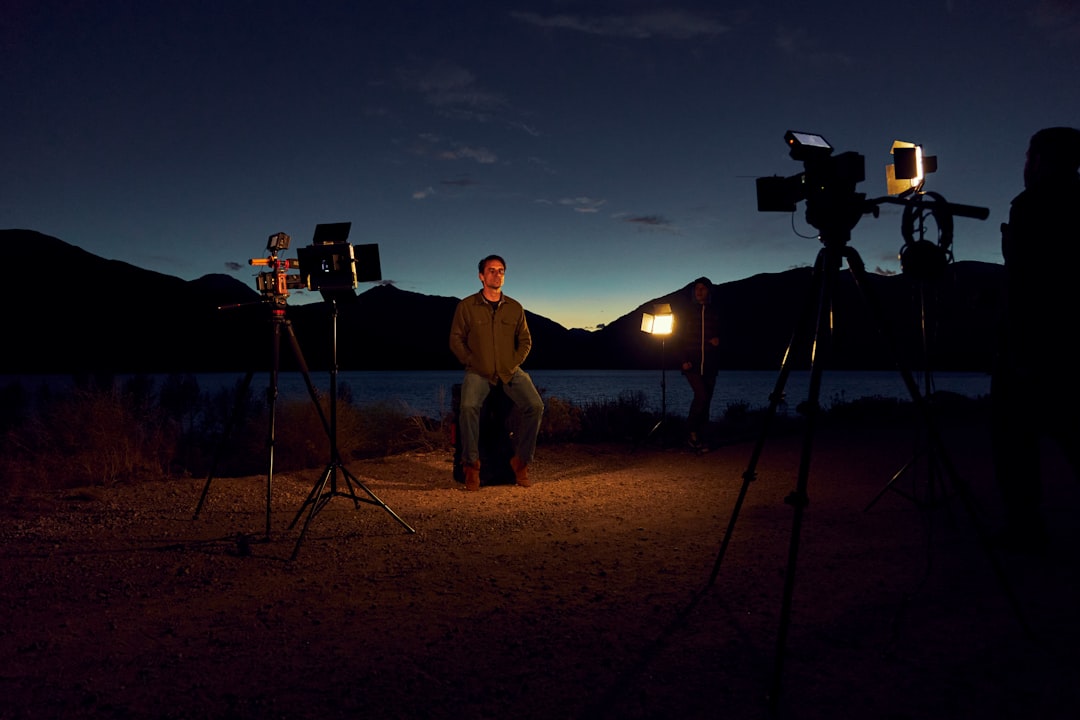
The decision between renting and purchasing audio-visual equipment represents one of the most important financial choices content creators face. Both approaches offer distinct advantages, and understanding when each makes sense can save thousands of pounds whilst ensuring you have the right tools for your projects.
This comprehensive guide examines the financial, practical and strategic considerations that should inform your equipment acquisition decisions.
Financial Considerations
The most obvious difference between renting and buying involves upfront costs and long-term financial implications. Understanding the true cost of ownership versus rental requires looking beyond simple price comparisons.
Purchase Costs and Depreciation
Purchasing equipment requires significant capital investment. A professional camera body might cost £3,000, with lenses adding another £2,000-£5,000. Audio equipment, lighting and accessories quickly push total investments into five figures.
Equipment depreciates rapidly, particularly cameras and technology-dependent items. A camera purchased for £3,000 might be worth £1,500 after two years as newer models arrive. This depreciation represents real financial loss that many creators overlook when calculating ownership costs.
Rental Economics
Equipment rental spreads costs across usage periods, requiring minimal upfront investment. Daily rental rates typically range from 3-8% of purchase price, meaning you'd need to rent equipment 13-33 days before matching purchase costs.
However, this simple calculation ignores depreciation, maintenance, insurance and opportunity cost of capital tied up in equipment. When factoring total cost of ownership, the rental break-even point often extends to 40-60 usage days.
Usage Frequency Analysis
Your equipment utilisation patterns dramatically affect whether rental or purchase makes financial sense.
Occasional Use
If you need specific equipment fewer than 20 days per year, rental almost always proves more economical. The money saved can be invested in other business areas or equipment you use more frequently.
Consider a specialty lens used for quarterly corporate videos. Purchasing a £2,000 lens for four days annual use makes little financial sense when daily rental costs £60-80. Over five years, you'd spend £1,200-£1,600 renting versus £2,000 purchasing, whilst avoiding depreciation and storage concerns.
Regular Use
Equipment used weekly or more typically justifies purchase. A microphone used for regular podcast recording or a camera for frequent YouTube production pays for itself through rental savings within months.
Calculate your specific break-even point by dividing purchase price by daily rental rate. If you'll use the equipment more days than this calculation indicates within a reasonable timeframe, purchase makes financial sense.
Cash Flow and Business Stage
Your current business situation significantly influences optimal equipment acquisition strategy.
Starting Out
New content creators benefit enormously from rental arrangements. Minimal upfront investment enables testing different equipment types, learning what you actually need rather than what you think you need.
This experimentation period prevents expensive purchasing mistakes. Many creators buy equipment based on reviews or recommendations, only to discover it doesn't suit their specific workflow or content style.
Established Operations
Once you've established consistent revenue and identified core equipment needs, purchasing frequently used items makes sense. This transition typically occurs after 6-12 months of regular content production.
Maintain rental relationships for specialised or infrequently used equipment whilst owning workflow essentials. This hybrid approach balances financial efficiency with creative flexibility.
Technology Evolution
Rapid technological advancement affects equipment value and utility differently across product categories.
Fast-Changing Technology
Cameras, computers and digital accessories evolve rapidly, with new models offering significant improvements every 1-2 years. Purchasing cutting-edge cameras often proves financially inefficient as newer models quickly diminish resale value.
Renting current-generation cameras enables access to latest technology whilst avoiding depreciation. When camera specifications genuinely matter for your projects, rental provides premium capability without premium ownership costs.
Stable Technology
Certain equipment categories remain useful for many years. Quality microphones, tripods, lighting stands and audio interfaces provide excellent service for decades with minimal functional obsolescence.
These items justify purchase, as they'll serve your needs long past the point where rental costs would exceed purchase price. A £300 microphone used weekly for five years costs far less than equivalent rental fees.
Flexibility and Variety
Rental provides access to diverse equipment for varying project requirements without maintaining large inventories.
Project-Specific Needs
Different projects demand different tools. A travel documentary requires different cameras and audio equipment than studio interviews. Renting enables matching equipment precisely to project requirements.
This flexibility proves particularly valuable when exploring new content formats. Test podcasting equipment through rental before committing to purchase, or try different camera systems for video production without substantial investment.
Backup and Redundancy
Professional productions require backup equipment to mitigate failure risks. Purchasing redundant systems doubles equipment costs, whilst rental enables securing backups only when critical.
Maintenance and Support
Ownership responsibilities extend beyond initial purchase, encompassing ongoing maintenance, repairs and insurance.
Maintenance Costs
Professional equipment requires regular servicing. Camera sensors need cleaning, audio equipment needs calibration and all gear eventually requires repairs. These costs accumulate over ownership lifecycle.
Rental equipment arrives maintained and ready to use, with rental companies absorbing servicing costs. If equipment malfunctions during your rental period, replacement typically occurs at no additional charge.
Insurance and Liability
Owned equipment requires insurance against theft, damage and loss. Rental agreements typically include insurance options or built-in coverage, simplifying risk management.
Storage and Transportation
Equipment ownership entails storage space requirements and transportation logistics that rental arrangements eliminate.
Large equipment collections require dedicated storage space, preferably climate-controlled to prevent damage. This space carries cost, whether rented storage units or forgone use of home space.
Transportation becomes your responsibility when owning equipment, requiring appropriate vehicles and time for collection and return. Rental companies often provide delivery and collection services, saving time and logistics hassles.
Making Your Decision
Optimal equipment acquisition strategy typically involves hybrid approaches tailored to specific needs.
Purchase Priority Items
Buy equipment you'll use regularly, items with stable technology and tools specific to your personal workflow preferences. This typically includes primary microphones, studio monitors, certain lenses and accessories you'll use on every project.
Rent Everything Else
Utilise rental for specialised equipment, backup gear, items needed for specific projects and technology you want to test before purchasing. This approach maximises financial efficiency whilst maintaining creative flexibility.
Build Gradually
As rental costs for specific items accumulate past break-even points, transition those items to ownership. This gradual approach builds equipment inventory sustainably without excessive debt or cash flow strain.
Track actual rental expenses across equipment categories. When cumulative costs approach 60-70% of purchase price, consider buying, especially if future usage will remain consistent.
Special Considerations for Different Creator Types
Different content creation contexts favour different acquisition strategies.
Freelancers and Contract Workers
Freelancers often benefit from rental arrangements, passing equipment costs through to clients whilst avoiding capital tied up in underutilised gear. This approach improves cash flow and reduces financial risk during income fluctuations.
Studios and Production Companies
Established studios with consistent project flow typically own core equipment kits whilst renting specialised items. This balance provides reliable base capability with flexibility for varying client needs.
Hobbyists and Part-Time Creators
Content creators pursuing projects alongside other employment should generally favour rental. Limited usage seldom justifies purchase, and rental preserves capital for other priorities.
The rent versus buy decision ultimately depends on your specific circumstances, usage patterns and business goals. Analyse your actual needs honestly, calculate true costs including depreciation and hidden ownership expenses, and remember that the optimal strategy evolves as your content creation business grows and matures.